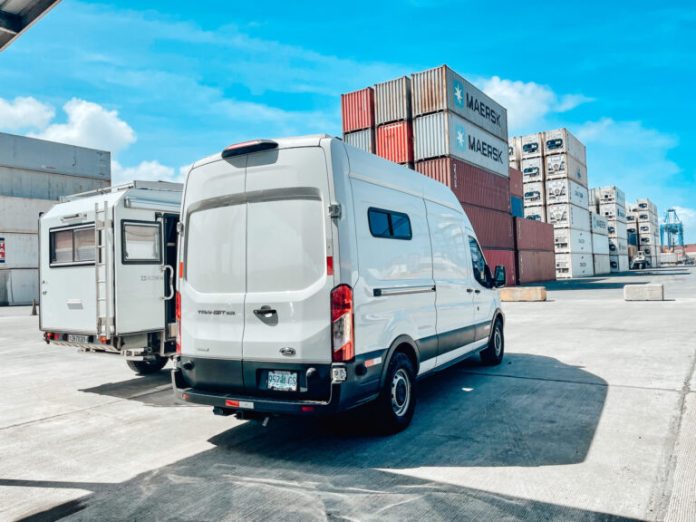

An RV is one of the biggest investments a traveler can make — and one of the most neglected when it comes to proper off-season care. Most owners focus on the fun part (the trips) and give far less thought to what happens between adventures. If you’re serious about extending the life of your vehicle, finding proper, reliable covered RV storage options for those months when you’re not hitting the road is one of the most practical decisions you can make as an owner.
Leaving an RV in a driveway or open lot exposes it to sun, rain, wind, and temperature extremes that quietly chip away at its value over time. UV rays fade exteriors, crack rubber seals, and degrade upholstery from the inside out. A covered or enclosed storage facility prevents all of that from happening while also keeping your rig off your property and out of any local code or HOA restrictions.
Preparing Your RV Before Storage: Don’t Skip This
The preparation phase matters just as much as the facility you choose. Before your RV goes into any kind of storage, there’s a checklist of things that need to happen — and skipping any of them can turn a minor issue into a costly repair by the time spring comes around. KOA has a detailed guide on how to properly prepare an RV for storage that walks through everything from tire care and battery maintenance to draining water systems and sealing vents against pests.
Some of the most important things to do before storage include: draining all fresh, gray, and black water tanks completely; disconnecting or trickle-charging the battery so it doesn’t discharge and degrade over months; removing all perishables and anything that pests might find attractive; and filling the fuel tank while adding a stabilizer so the fuel doesn’t break down and clog your engine systems during a long storage period.
Indoor Storage vs. Outdoor: What Fits Your Budget and Your Rig
Outdoor storage is typically the most affordable route, and if your RV has a good quality cover and the climate in your area is relatively mild, it can work well enough for shorter storage periods. For longer stretches or in areas with harsh winters, covered or fully enclosed storage is the smarter investment. The cost difference over a full season is often smaller than you’d expect, especially when you factor in the repairs you avoid by keeping your RV properly protected.
Enclosed storage also gives you the flexibility to visit and check on your rig without worrying about weather. Some facilities allow light mechanical work on-site, which is a great benefit if you want to run the engine periodically or do some seasonal maintenance between trips.
Choosing a Facility Worth Trusting
Not all storage facilities are built the same, and when you’re trusting one with a vehicle that may be worth tens of thousands of dollars, doing a bit of homework upfront pays off. Look for gated access, surveillance cameras, and a facility that’s clean and well-maintained. Friendly, knowledgeable staff are a good indicator that management takes the operation seriously.
For more context on what makes long-term storage preparation effective, RVshare covers long-term RV storage best practices in a way that’s genuinely practical for everyday owners. Combine that knowledge with a quality facility and your RV will be just as ready to roll in the spring as the day you parked it