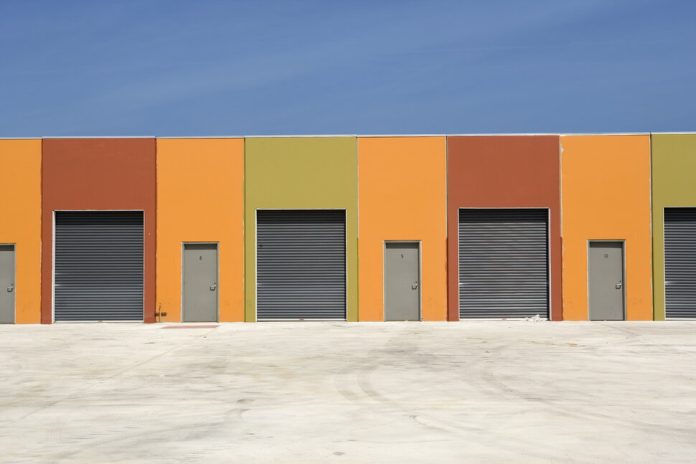

Price is only one part of deciding where to store belongings. Cheap monthly rates may lose their appeal if access is difficult, the location adds travel time, or security features fall short of what the renter expects. Smart comparisons look at what the space costs, how easy it is to use, and how well the property supports safe storage.
Compare the Full Cost, Not Just the Advertised Rate
Monthly rent can look simple until added charges appear. Administrative fees, insurance requirements, lock costs, deposits, taxes, or promotional rates that later expire can change the real price of self storage. Renters should ask what is due at move-in, when standard pricing begins, and how much notice the facility gives before a rate change.
Longer storage periods make small monthly differences more noticeable. Paying slightly more for better access or stronger site features may still make sense if it reduces fuel, moving time, or repeated handling. Budget planning works best when the total expected stay is considered rather than the first bill alone.
Location Can Save More Than Money
Distance affects how often a unit is practical to use. Distant facilities may add fuel costs, travel time, and extra planning whenever someone needs a box, document, tool, or seasonal item. Shoppers searching for storage units near me should compare drive time during the hours they are most likely to visit.
Convenient locations can also reduce the need to move belongings twice. Nearby self storage units may work better during a home renovation, business transition, or relocation because items can move back and forth without long trips. Access becomes part of the value, especially when stored property is needed more than once or twice a year.
Access Hours Should Match the Way the Unit Will Be Used
Gate hours can matter as much as distance. Early access may help contractors or business owners pick up supplies before work, while evening access can suit households moving after regular office hours. Customers should confirm whether gate access continues after the office closes and whether holiday schedules change normal entry times.
Frequent users may also benefit from ground-level units, wide drive lanes, carts, elevators, or covered loading areas. Convenience features can shorten each visit and reduce strain when heavy boxes or furniture are involved. Low pricing loses value quickly if every trip requires extra lifting or a long walk through the property.
Security Works Best as a Layered System
No single security feature can prevent every problem. Fencing, controlled gates, lighting, cameras, unit locks, and clear sightlines work better when they support one another. Visitors should look at how the property is arranged instead of assuming that one camera or a keypad automatically means strong protection.
Well-lit drive lanes make activity easier to see after dark, while controlled entry can limit casual traffic. Individual locks remain important because the renter usually controls the final barrier to the unit. Lease terms should also explain access rules, insurance responsibilities, and what happens if a code or lock is compromised.
Climate Control Can Be Worth the Higher Monthly Rate
Certain belongings need more than a basic enclosed space. Wood furniture, electronics, documents, photographs, leather, artwork, and some fabrics can react to large temperature or humidity changes. Climate controlled storage may cost more, but the added expense can be reasonable for property that would be difficult or expensive to replace.
Sensitive items should still be cleaned, dried, packed, and spaced correctly before storage. Environmental control does not fix wet upholstery, weak boxes, or poor stacking. Owners can save money by reserving climate control for belongings that truly benefit from steadier conditions instead of placing every durable item in the same type of unit.
Unit Size Should Fit the Layout, Not Just the Inventory
Renting too much space raises the monthly bill, while renting too little can create packed aisles and unsafe stacks. Measuring large furniture, counting boxes, and planning shelf use gives a better estimate than guessing from room size. Vertical space also matters because strong containers can often be stacked safely without using more floor area.
Useful layouts should leave enough room to reach important items without unloading half the unit. Frequently used property belongs near the front, while long-term belongings can sit farther back. Good planning can make a smaller unit work better than a larger one that is poorly organized.
The Best Value Comes From Matching Features to Real Needs
Value changes depending on what is stored and how often it must be reached. Businesses storing records may care about access hours and climate control, while a household storing patio furniture may place more weight on price and location. Comparing storage units through that lens helps avoid paying for features that add little benefit.
Finding the right balance between price, access, and protection can make self storage more practical for both household and business needs. Storage Partner offers different unit sizes, climate controlled storage options, and access features so customers can compare what matters most to them.